Where Deep Engineering Knowledge Meets Scalable Software
About Project
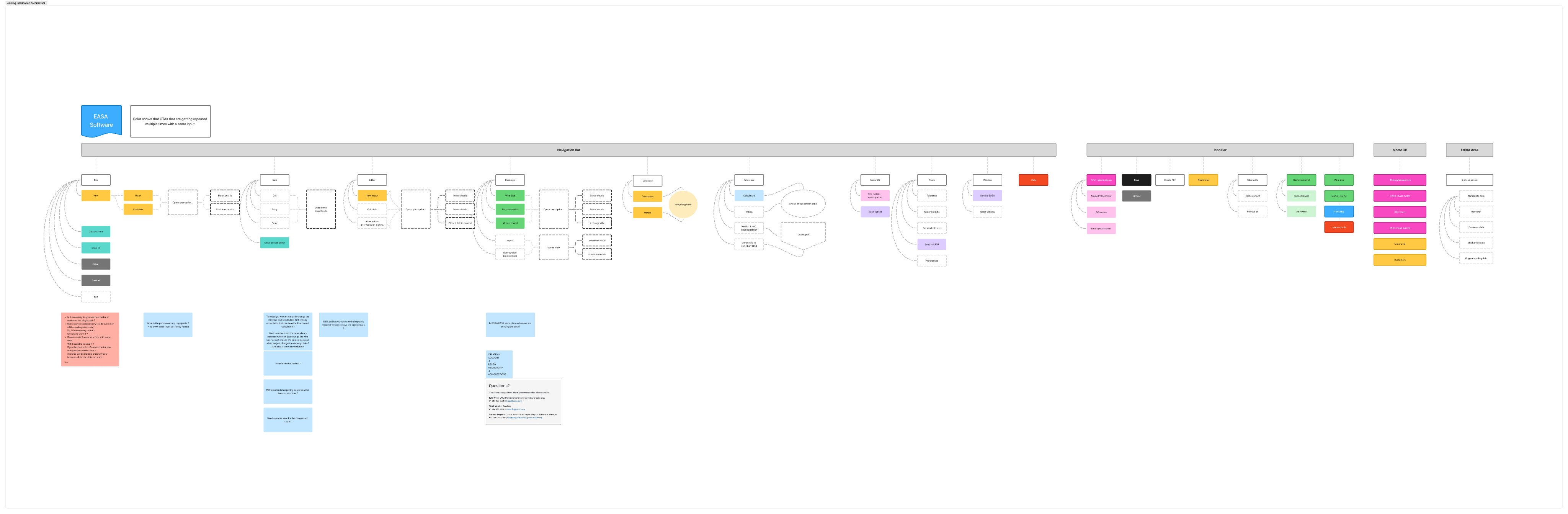
EASA is a global authority in the electric motor industry, trusted by engineers and manufacturers for its highly specialised tools and technical insights. The platform had been used for decades as a desktop based platform and used for motor rewinding design and multi motor comparisons and provide the motor library.
The project focused on transforming this legacy system into modern, web based experience without disrupting the precision, speed and trust that long term users depended on.The goal was to elevate the product’s usability and scalability and adaptability for the future.
Project Name
Industry
Services
Product
Timeline
The Challenges
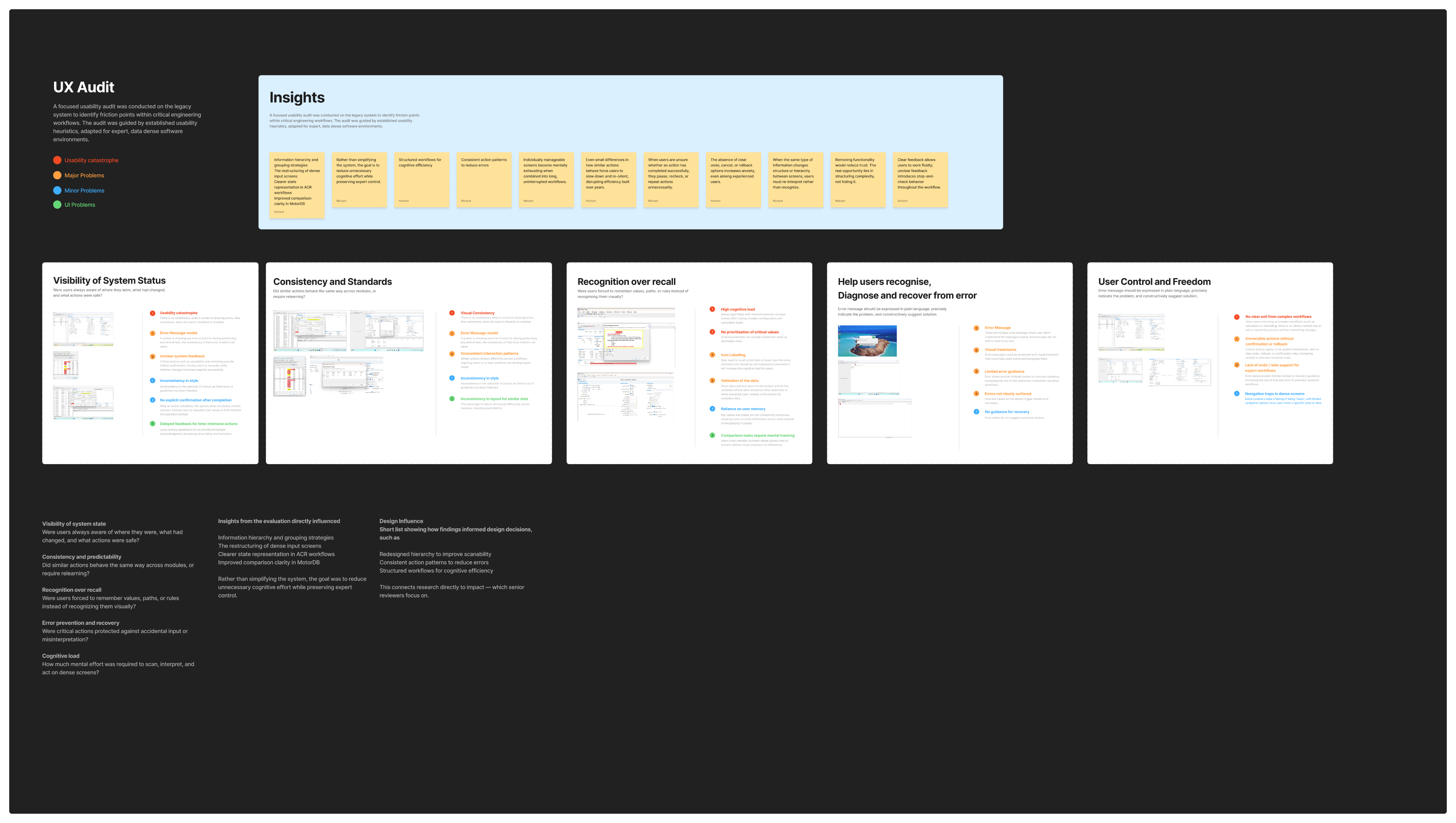
The existing application was functionally robust but visually outdated and ergonomically rigid. Users had spent years and even decades working within the same interface, relying on dense input screens, fixed layouts and keyboard driven interactions. Some screens contained close to 85 input fields and minimal tolerance for deviation, the interface left little room for visual hierarchy or flow.
The biggest challenge wasn’t just about improving user interface but it was redesigning a system shaped by habit and expertise without breaking the mental models that users relied on to do critical work efficiently.
Design Approach
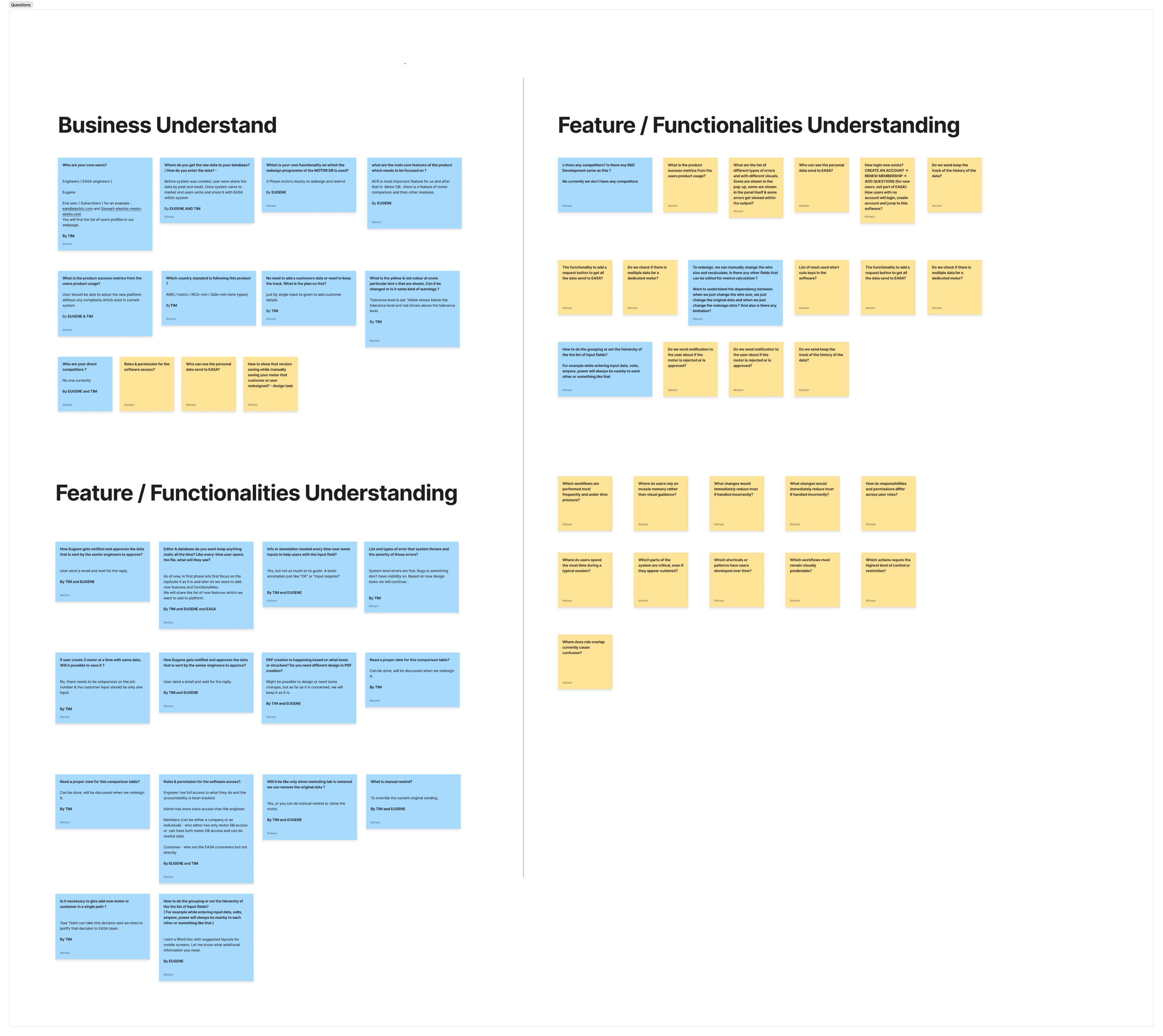
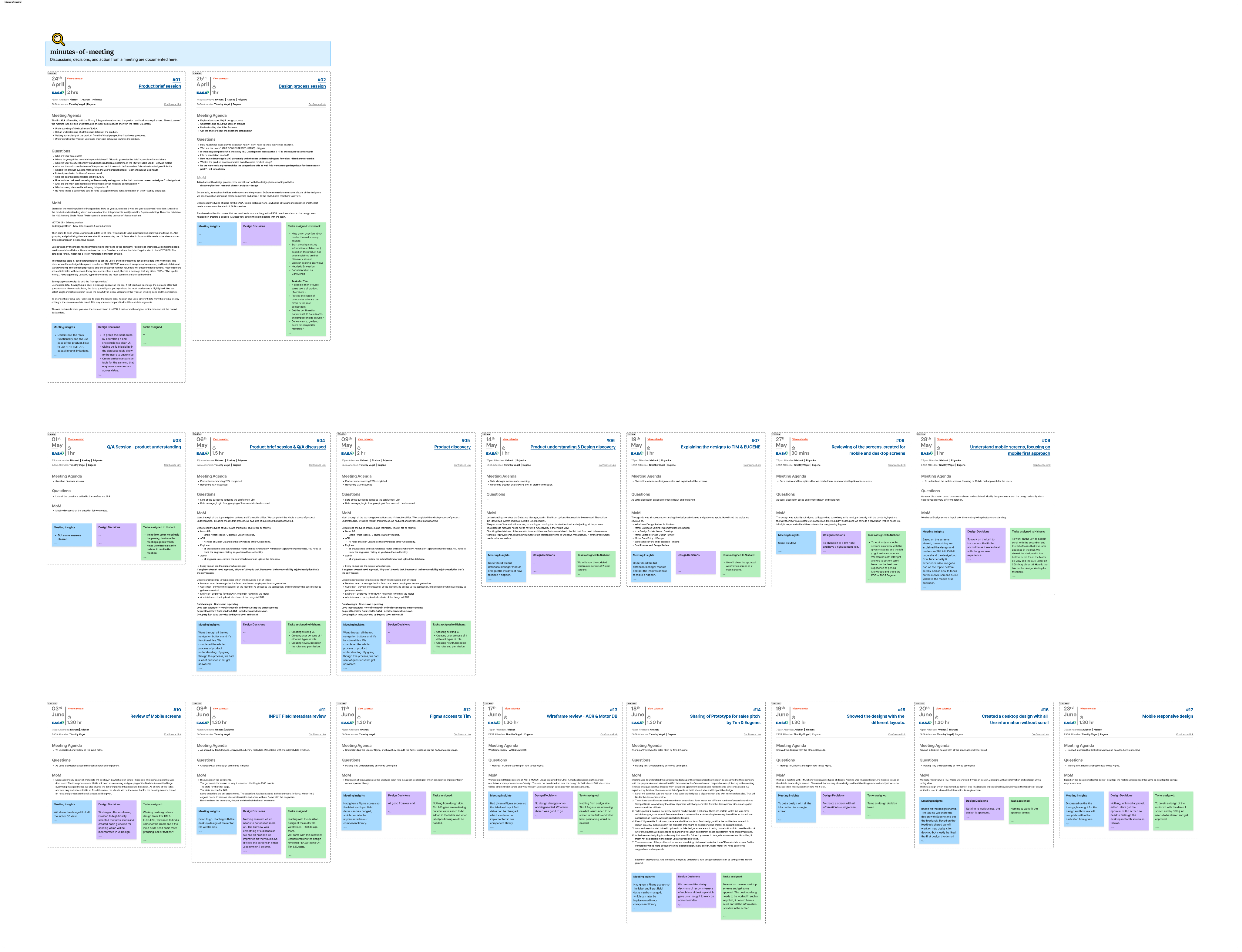
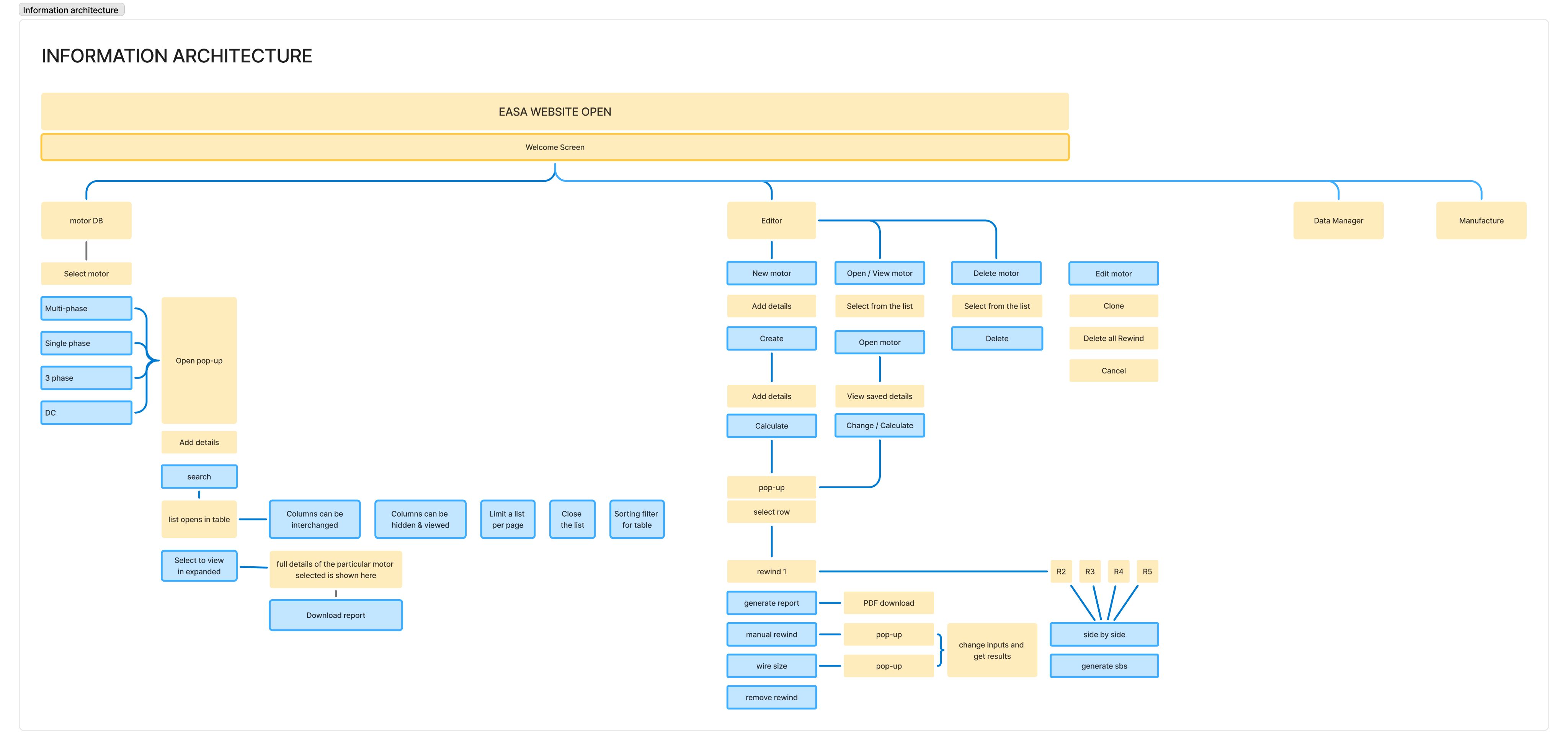
The process began with a deep immersion into the product ecosystem to understand workflows, constraints, and user behaviours. Rather than stripping away complexity, I focused on reorganising it to align with the user’s mental model. By introducing modern UX principles, dynamic field groupings, and intentional spacing, I allowed the interface to breathe without disrupting established workflows.
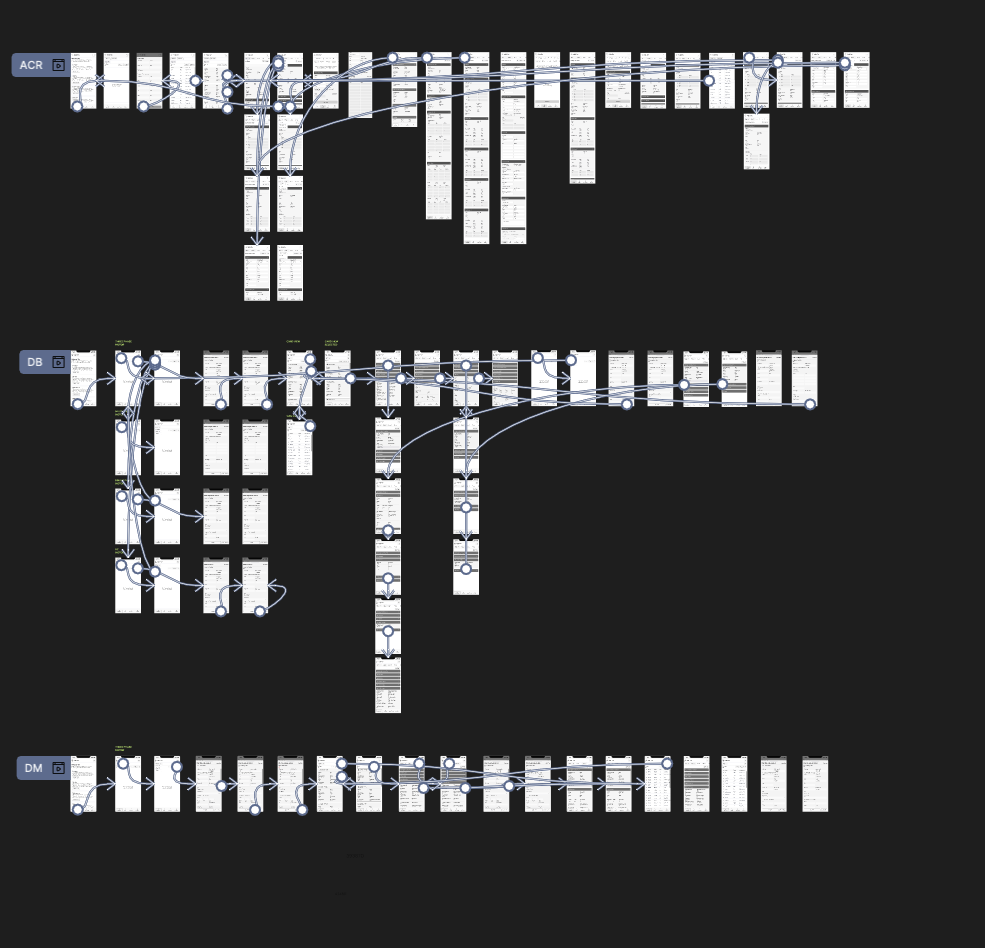
Through interactive prototypes and a gradual transition in design language, I built stakeholder trust and ensured the changes felt evolutionary rather than disruptive.

Solution
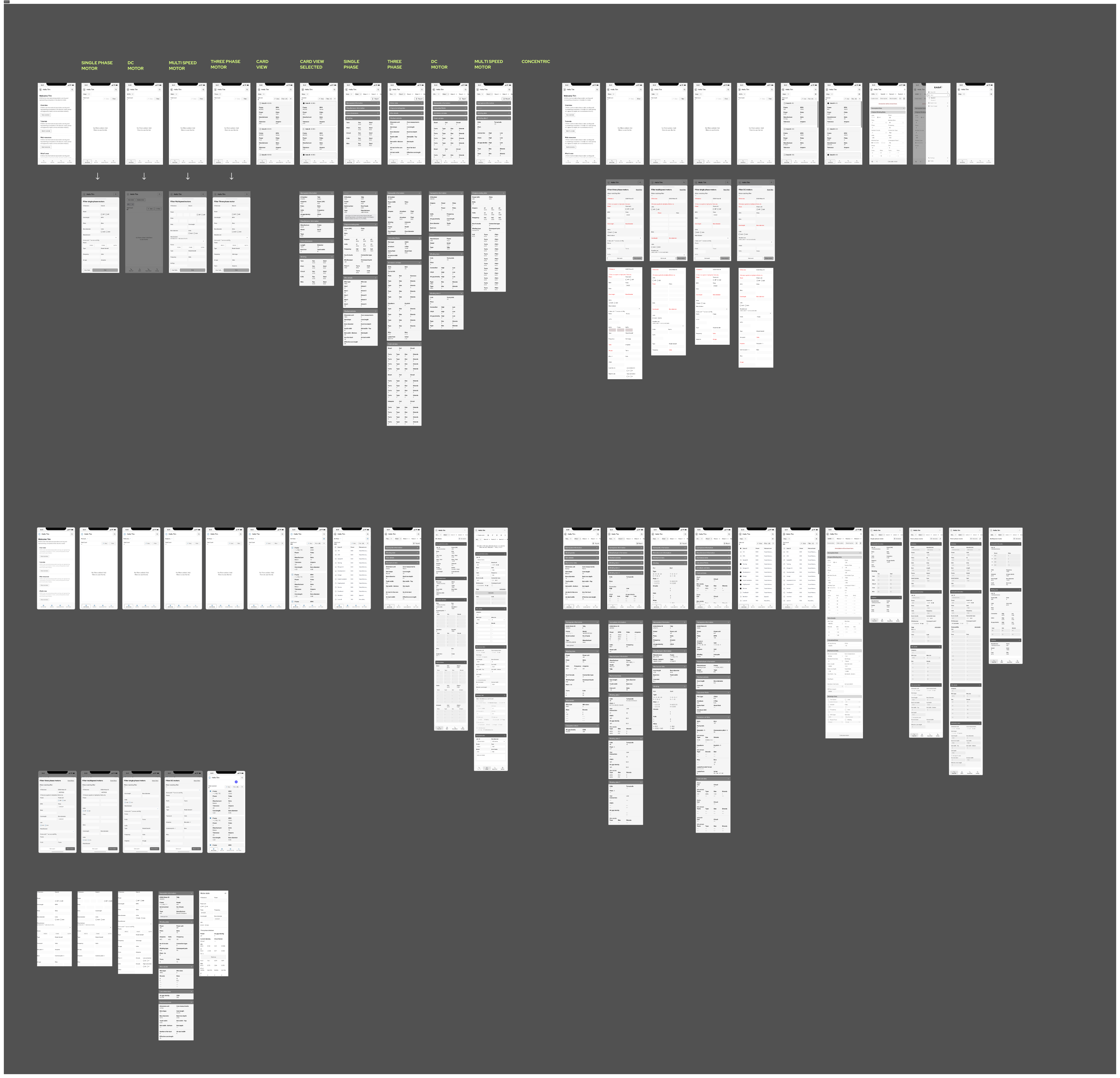
The redesigned platform introduced a clearer, more structured experience across core modules while preserving the depth required by expert users.For ACR (Advanced Coil Rewinding), layouts were refined to improve scalability and comprehension without compromising precision. Dense data was reorganised into clearer groupings, allowing users to understand and interact with complex configurations more confidently.
For MotorDB, the experience was rethought around comparison and analysis. Filtering, structured layouts, and side-by-side comparisons enabled users to evaluate multiple motors efficiently, reducing cognitive strain during long analysis sessions.Responsive behaviour was carefully adapted so that even data heavy screens could be accessed reliably on smaller devices.
System Design Foundations
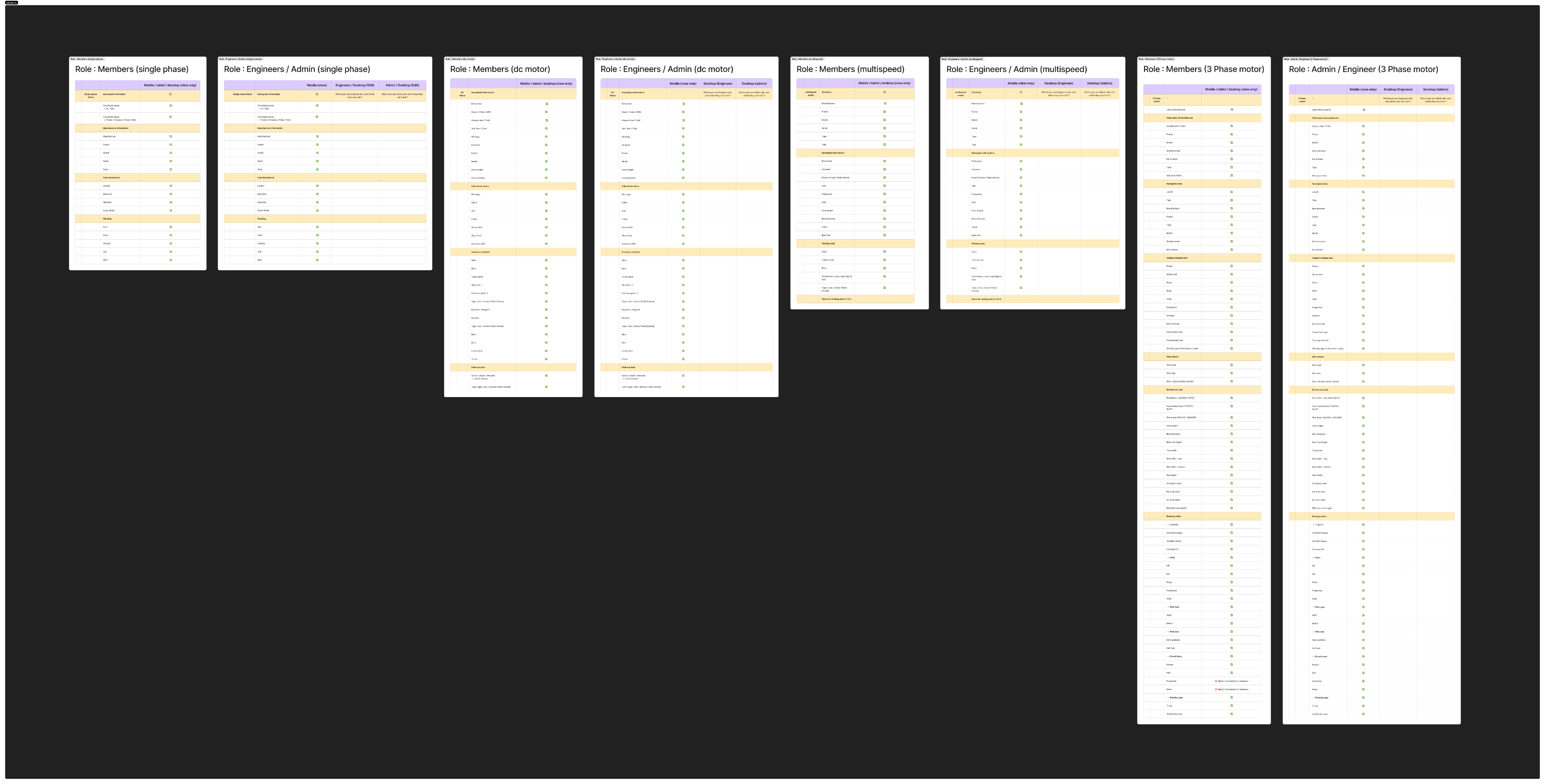
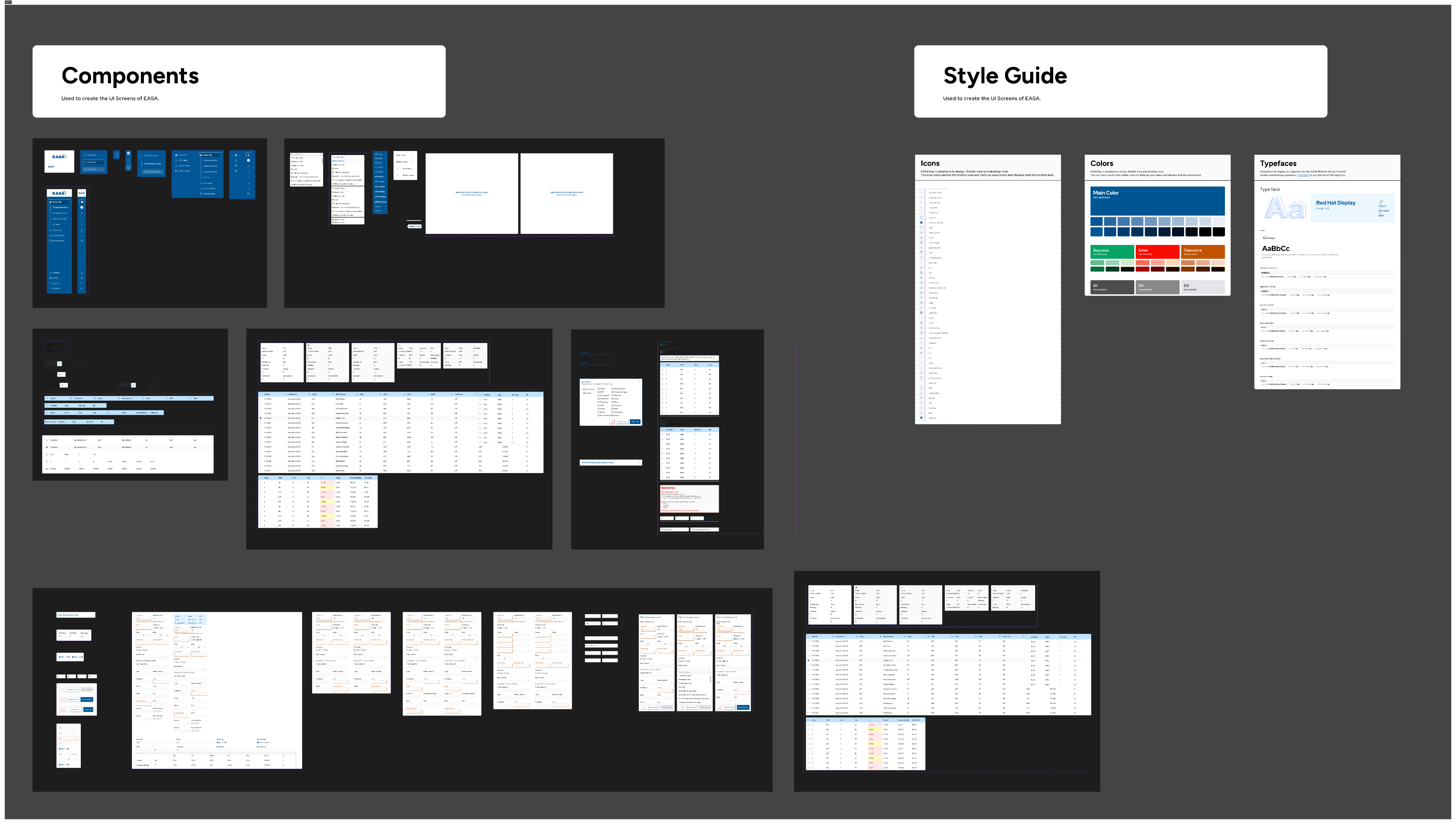
The redesigned platform introduced a clearer, more structured experience across core modules while preserving the depth required by expert users.For ACR (Advanced Coil Rewinding), layouts were refined to improve scalability and comprehension without compromising precision. Dense data was reorganised into clearer groupings, allowing users to understand and interact with complex configurations more confidently.
For MotorDB, the experience was rethought around comparison and analysis. Filtering, structured layouts, and side-by-side comparisons enabled users to evaluate multiple motors efficiently, reducing cognitive strain during long analysis sessions.Responsive behaviour was carefully adapted so that even data heavy screens could be accessed reliably on smaller devices.
Outcome
The redesigned platform delivers a more structured, usable, and future-ready experience while maintaining the precision engineers depend on. Users can now navigate complex workflows with greater clarity and confidence, whether working at their desks or in the field.The project redefined the product’s direction within EASA’s ecosystem, setting a foundation for ongoing user-centered innovation.
This foundation enabled new features and roles to be added without disrupting usability or visual consistency.